
Currently Empty: ₹0.00

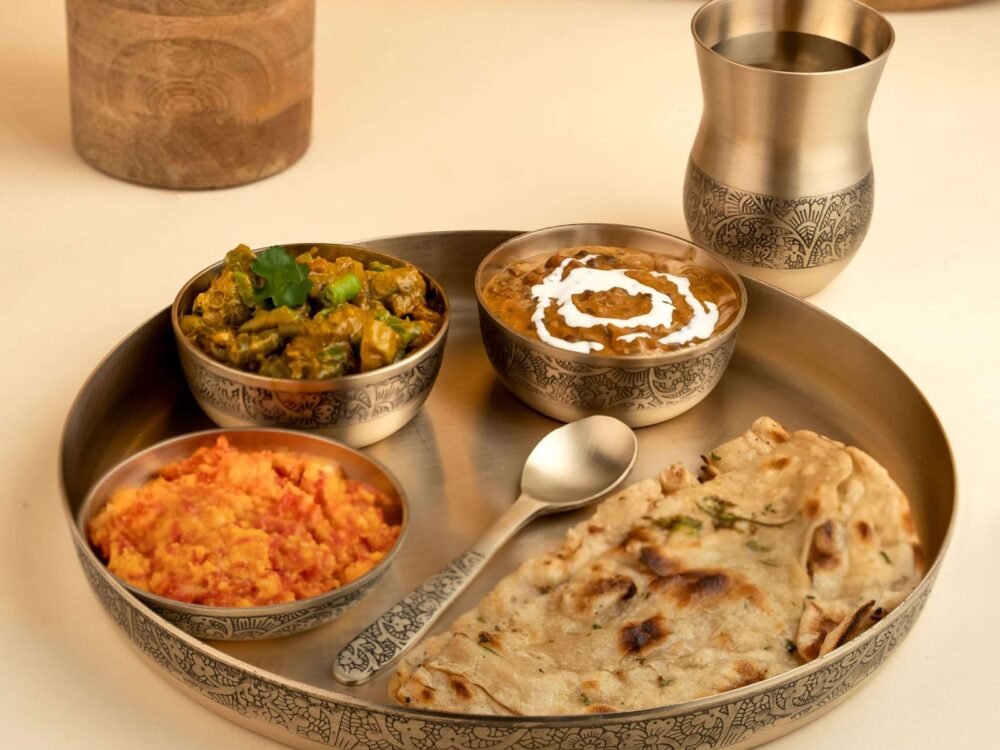
Walk into most Indian kitchens today and you’ll find steel, melamine, or plastic dinnerware. But go back two or three generations, and bronze — known as Kansa in Ayurveda — was the default choice for daily meals. That shift wasn’t random. Families are now rediscovering bronze for a simple reason: it suits the two age groups that need the most care at the dining table — children and senior citizens.
At Atya Luxury, our bronze dinner sets, bowls, and serving bowls are handcrafted using traditional metal ratios, designed for families who want their everyday dining to do a little more than just hold food.
Here’s why bronze deserves a spot back on your table.
What Makes Bronze Different From Steel or Plastic
Bronze used for dining is typically an alloy of copper and tin, usually in a ratio of about 78% copper to 22% tin. This composition is what Ayurveda refers to as a “mixed metal” with naturally alkaline properties. That alkalinity is the starting point for most of its dining benefits — it helps balance the acidity that’s common in Indian cooking, especially in tomato and tamarind-based curries.
Unlike plastic, bronze doesn’t leach chemicals when it comes into contact with hot or acidic food. Unlike most non-stick or coated cookware, it doesn’t carry the same concerns around chemical coatings breaking down over time. It’s simply metal, shaped the traditional way.
Benefits of Eating in Bronze for Kids
1. Easier Digestion
Children’s digestive systems are still developing, and they’re often more sensitive to acidity and bloating than adults. Bronze’s naturally alkaline nature helps neutralize some of that acidity, which can make meals sit lighter and reduce common complaints like a heavy stomach after eating.
2. A Natural Source of Trace Minerals
When food or water is served in bronze vessels for some time, small amounts of copper and tin can transfer into it. In small, regular amounts, copper supports immune function — something that matters a lot when kids are picking up new infections from school, daycare, or playgrounds.
3. No Plastic, No Chemical Exposure
Plastic plates and bowls are convenient, but repeated exposure to hot food in plastic dinnerware raises long-term questions around chemical leaching. Bronze removes that variable entirely. For parents trying to reduce their child’s exposure to synthetic materials at home, switching daily-use bowls and plates to bronze is a straightforward, practical step.
4. Naturally Antimicrobial
Copper has well-documented antimicrobial properties — it’s one of the reasons copper surfaces are used in hospitals. Since bronze is largely copper, bronze utensils carry some of that same natural resistance to bacterial buildup, which is a quiet but useful benefit for kids’ dinnerware that gets handled, dropped, and reused constantly.
Benefits of Eating in Bronze for Senior Citizens
1. Supports Digestion That Slows Down With Age
Digestion naturally becomes less efficient as we age — slower metabolism, more sensitivity to spicy or acidic food, and more frequent acidity or bloating. Bronze’s alkaline nature helps offset some of that acidity, making meals easier on an aging gut without changing what’s actually being cooked.
2. Helps With Joint and Inflammation Concerns
Many senior citizens deal with inflammation-related discomfort, whether from arthritis or general wear on the joints. The small amounts of copper that transfer from bronze utensils into food are associated with mild anti-inflammatory effects. It’s not a substitute for medical treatment, but as part of a daily routine, it’s a low-effort addition.
3. A Gentler Way to Stay Mineral-Sufficient
As appetite reduces with age, many seniors eat smaller portions and absorb fewer micronutrients from food. Bronze utensils offer a passive, low-dose way to introduce trace minerals like copper into the diet — supporting general wellness without requiring any change in eating habits.
4. Familiar and Comforting
There’s also a less clinical reason bronze works well for senior citizens: many grew up eating in bronze or brass at home. Bringing it back into daily use isn’t a new habit to adopt — it’s a return to something familiar, which itself adds comfort to mealtimes.
Bronze Dinnerware for Everyday Use, Not Just Festivals
A common misconception is that bronze is only for poojas, weddings, or special occasions. In reality, traditional households used bronze dinner sets, bowls, and serving bowls every single day — for breakfast, lunch, and dinner.
At Atya Luxury, that’s exactly how we design our bronze range:
- Bronze Dinner Sets — for families who want a daily-use dinnerware set that combines tradition with durability, ideal for serving full meals to both children and elders at the same table.
- Bronze Bowls — practical for everything from a child’s daily dal-rice to a senior citizen’s soup or porridge, sized for comfortable, everyday handling.
- Bronze Serving Bowls — built for the table, not just storage, so the same alkalinizing benefits apply right up to the moment food is served and eaten.
Each piece is made using traditional metal-casting techniques, finished for long-term daily use rather than just decorative display.
How to Use Bronze Utensils the Right Way
A few practical pointers to get the most out of bronze dinnerware:
- Wash with mild soap and warm water — avoid harsh detergents that can dull the natural shine.
- Avoid storing highly acidic food (like pickles or citrus-heavy dishes) in bronze for extended periods, as prolonged contact can affect both the metal’s finish and taste.
- Dry thoroughly after washing to prevent tarnishing.
- Occasional polishing with tamarind or lemon and salt helps restore shine naturally, without chemical cleaners.
With basic care, a good-quality bronze dinner set or bowl easily lasts for years, often improving with age the way cast iron does.
Is Bronze Right for Your Family?
If your household includes young children, senior citizens, or both, bronze dinnerware is one of the simplest changes you can make without altering your cooking or your routine. It’s not about replacing your entire kitchen overnight — many families start with just the bowls used daily by kids or grandparents, then expand from there.
Explore Atya Luxury’s collection of handcrafted bronze dinner sets, bowls, and serving bowls — made for the two generations in your home that need the most care at the table.
Frequently Asked Questions
Is it safe for children to eat in bronze utensils every day?
Yes, when the bronze is of food-grade quality with the correct copper-tin ratio. Daily use is traditional in many Indian households and is generally considered safe for regular meals.
Can senior citizens with arthritis benefit from bronze utensils?
Many people report comfort benefits from the mild anti-inflammatory properties associated with copper in bronze. It should be used alongside, not instead of, any medical treatment already prescribed.
How is bronze different from brass for dining use?
Bronze is an alloy of copper and tin, while brass is copper and zinc. Bronze (Kansa) is traditionally preferred in Ayurveda for direct food consumption due to its alkaline, mineral-rich profile.
Do bronze utensils need special maintenance?
They need slightly more care than steel — regular washing, thorough drying, and occasional natural polishing — but nothing that requires special equipment or products.